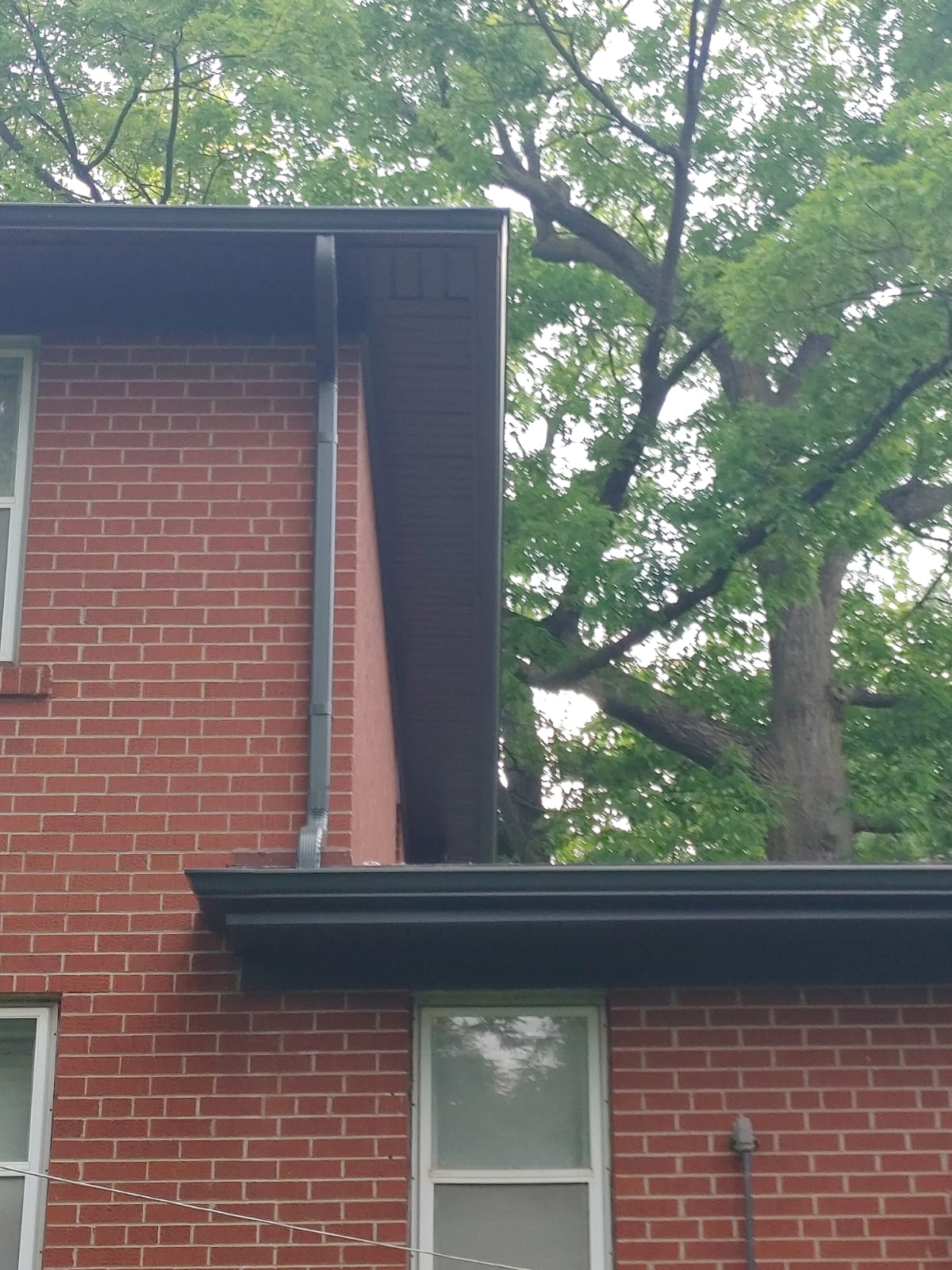
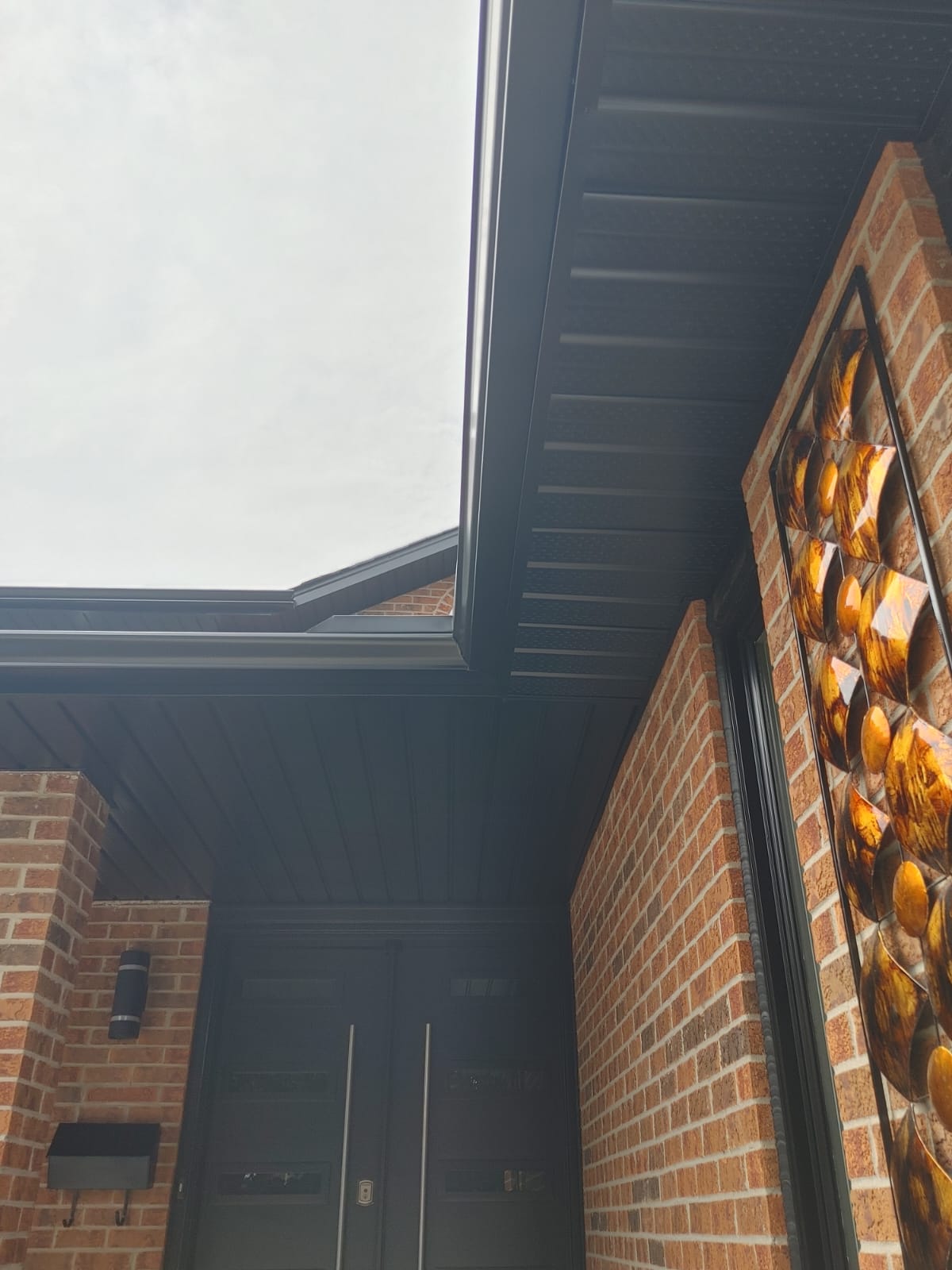
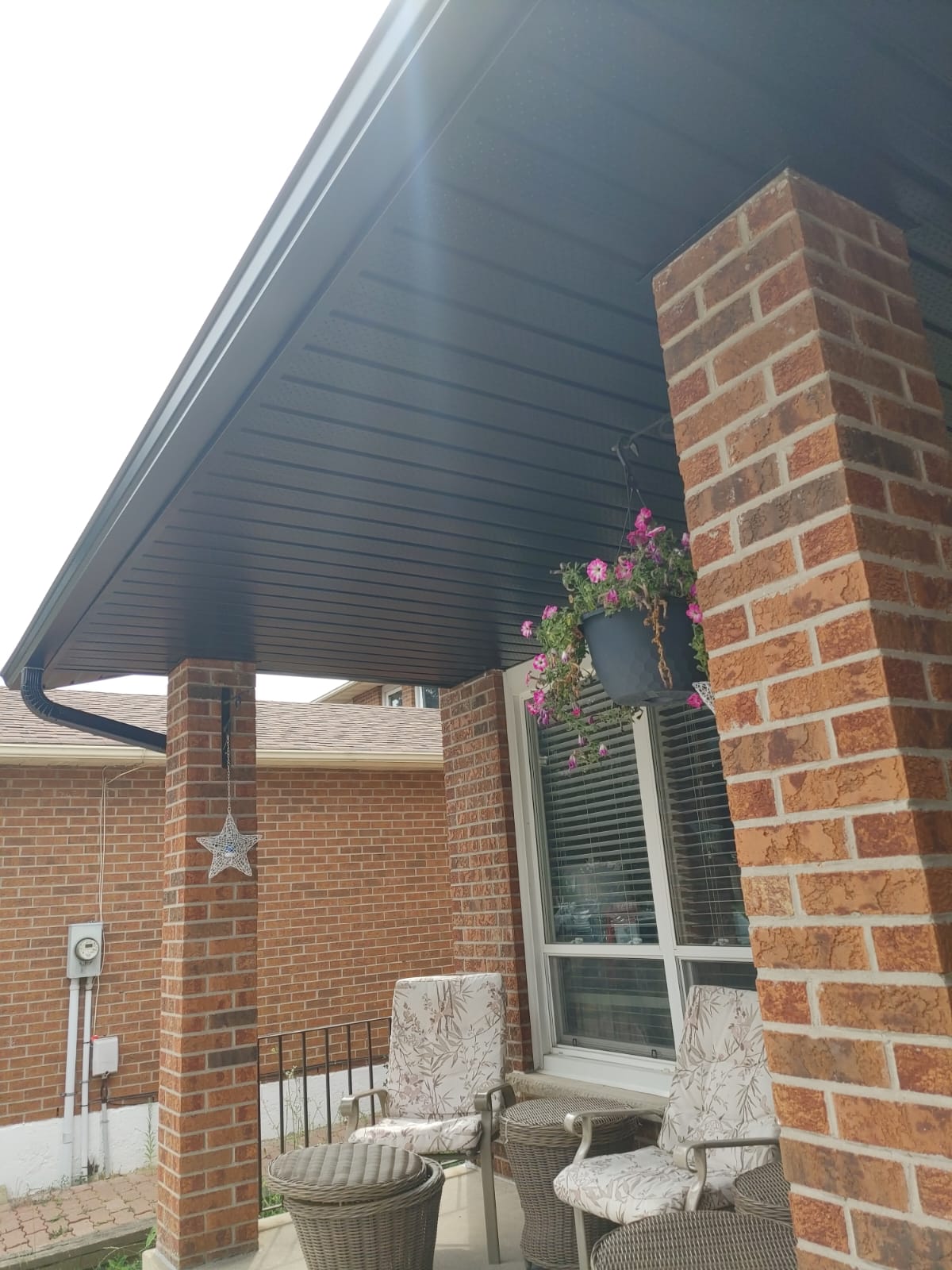
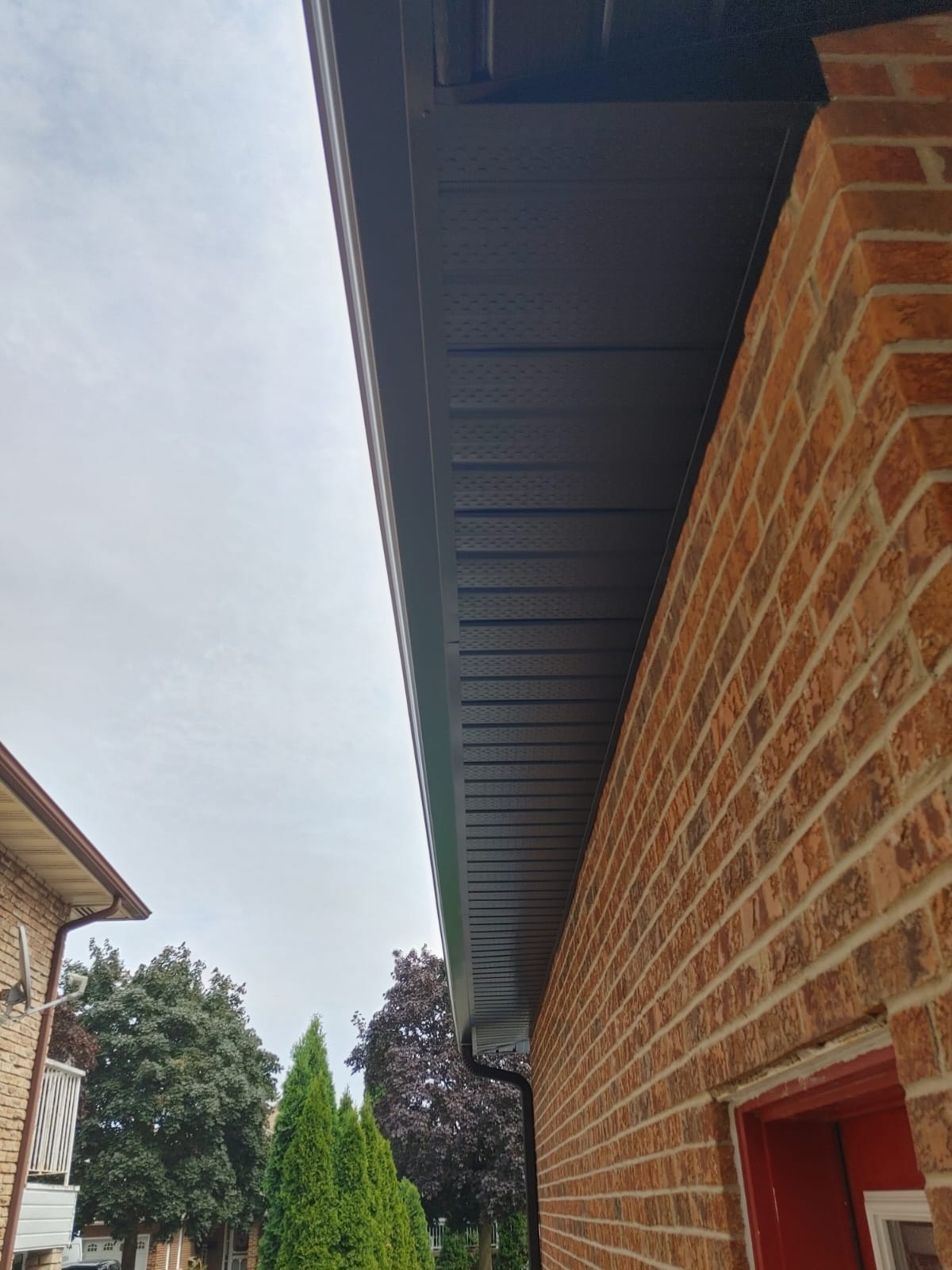
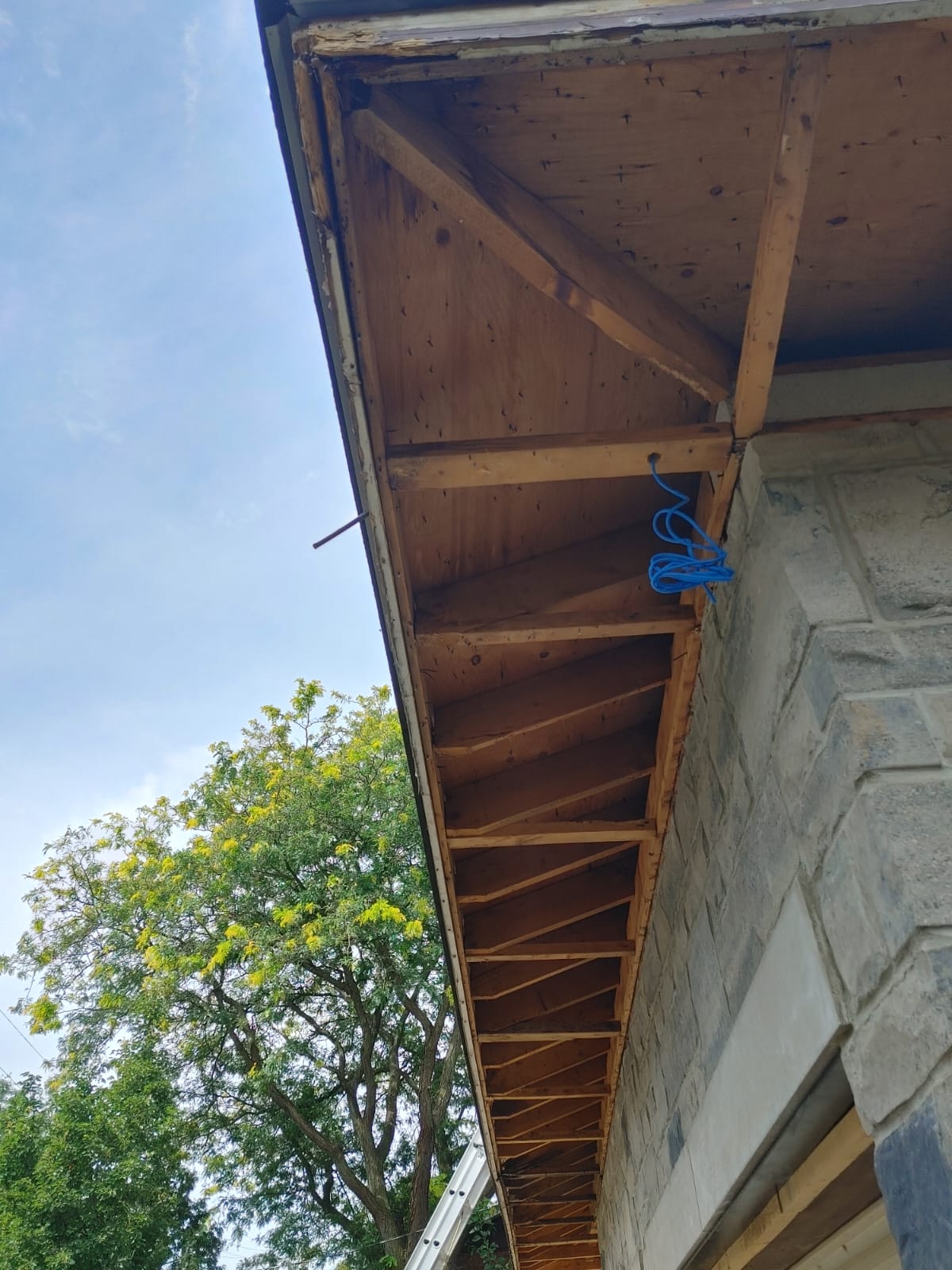
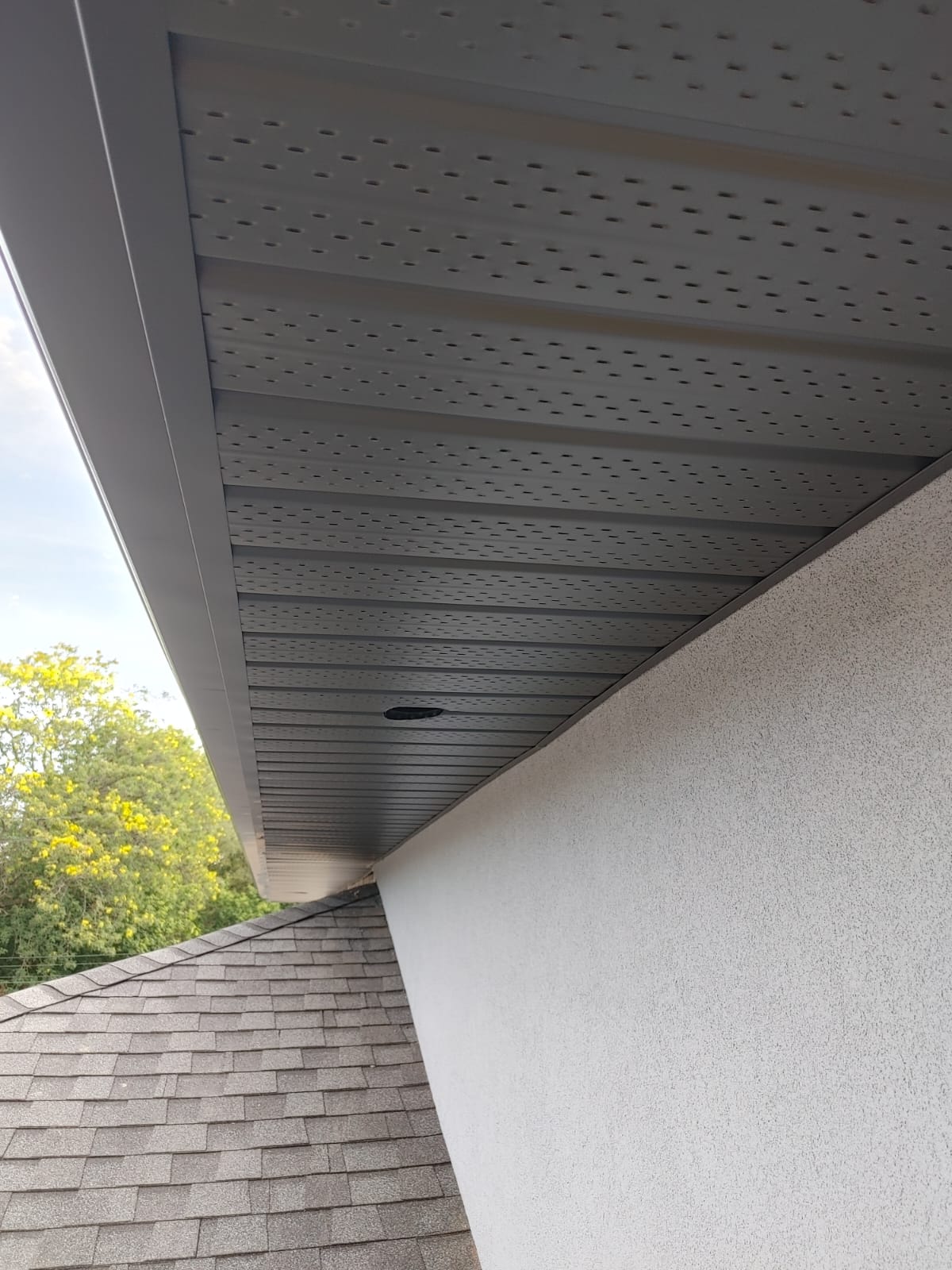
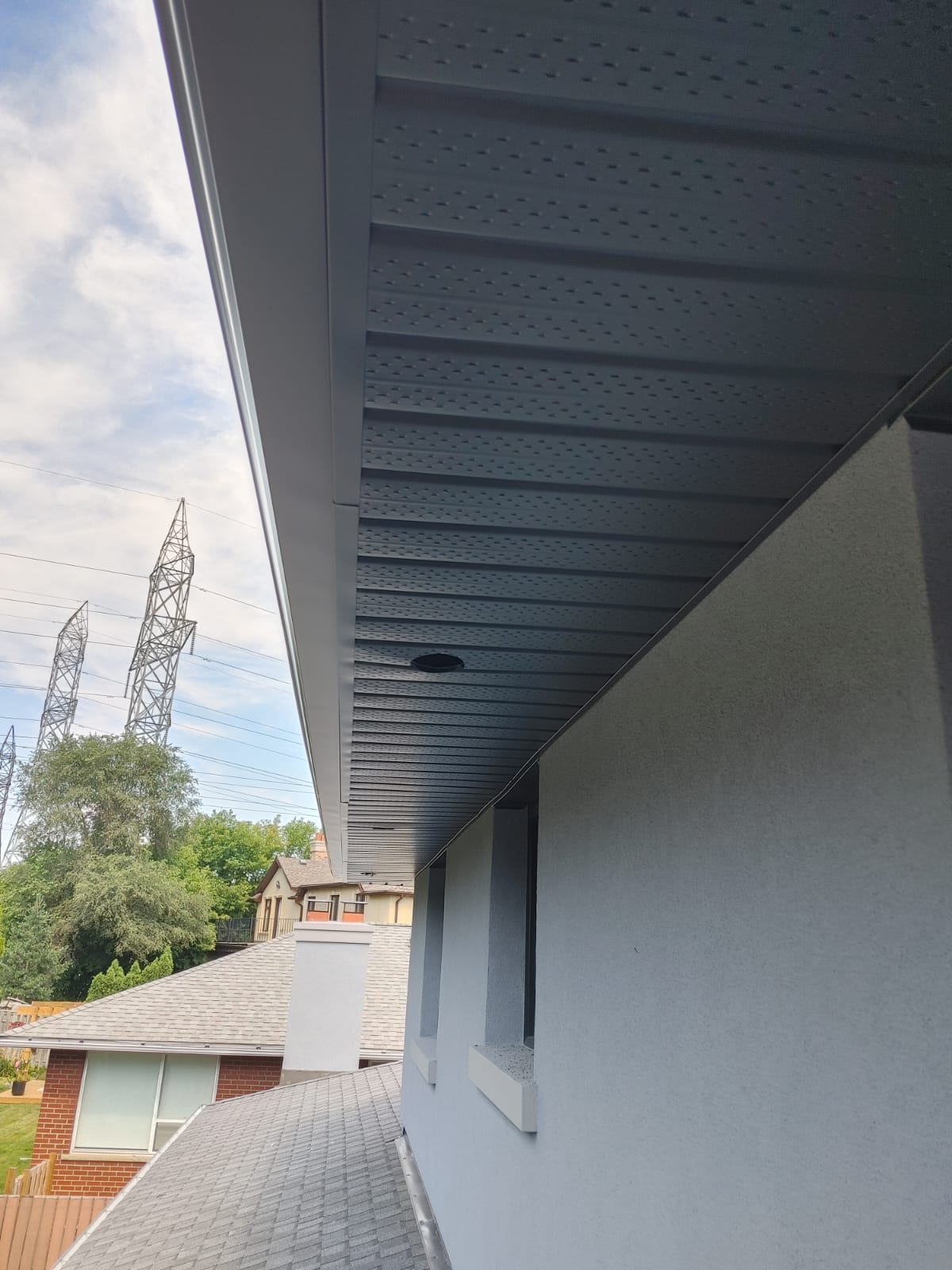
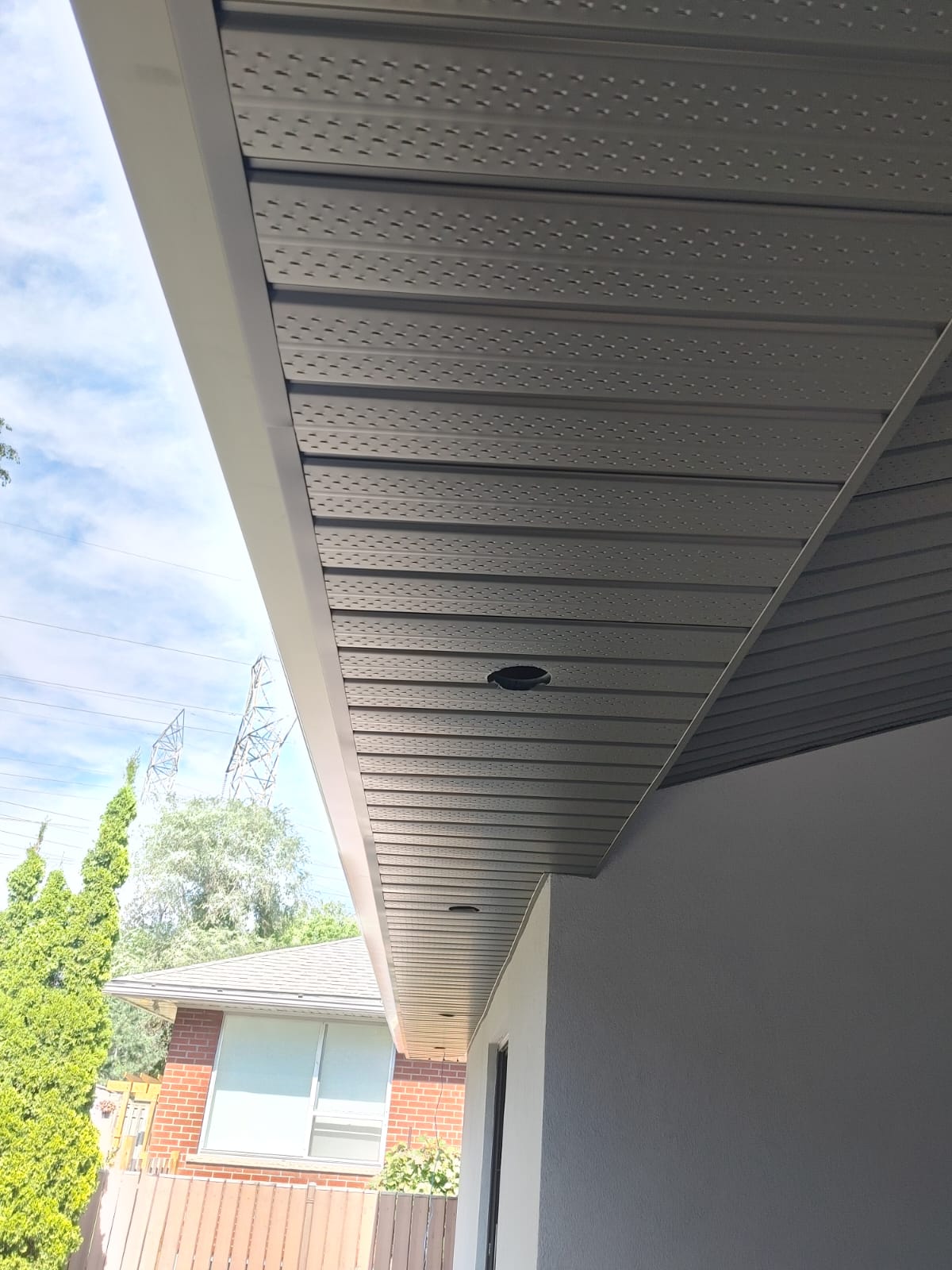
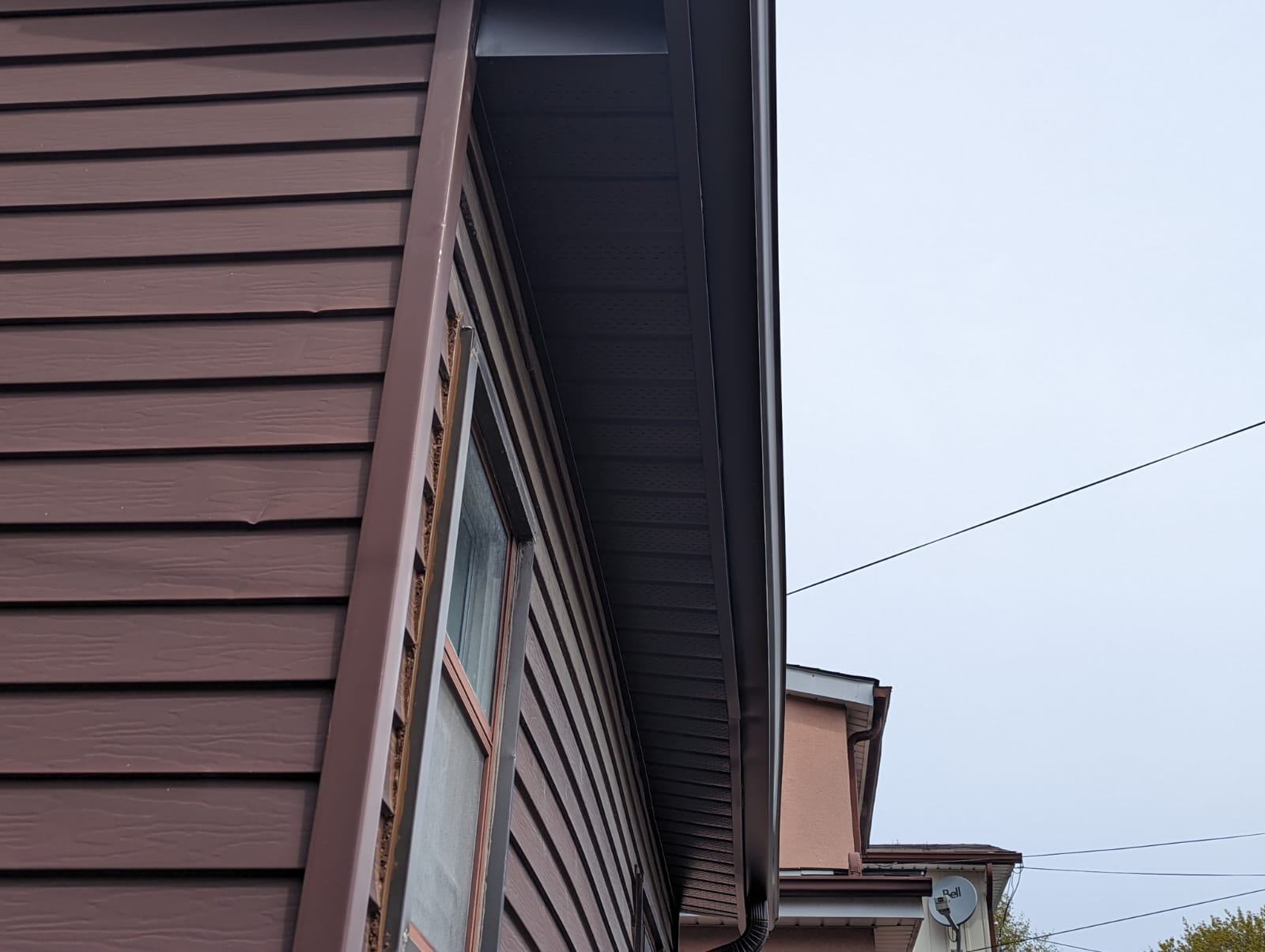
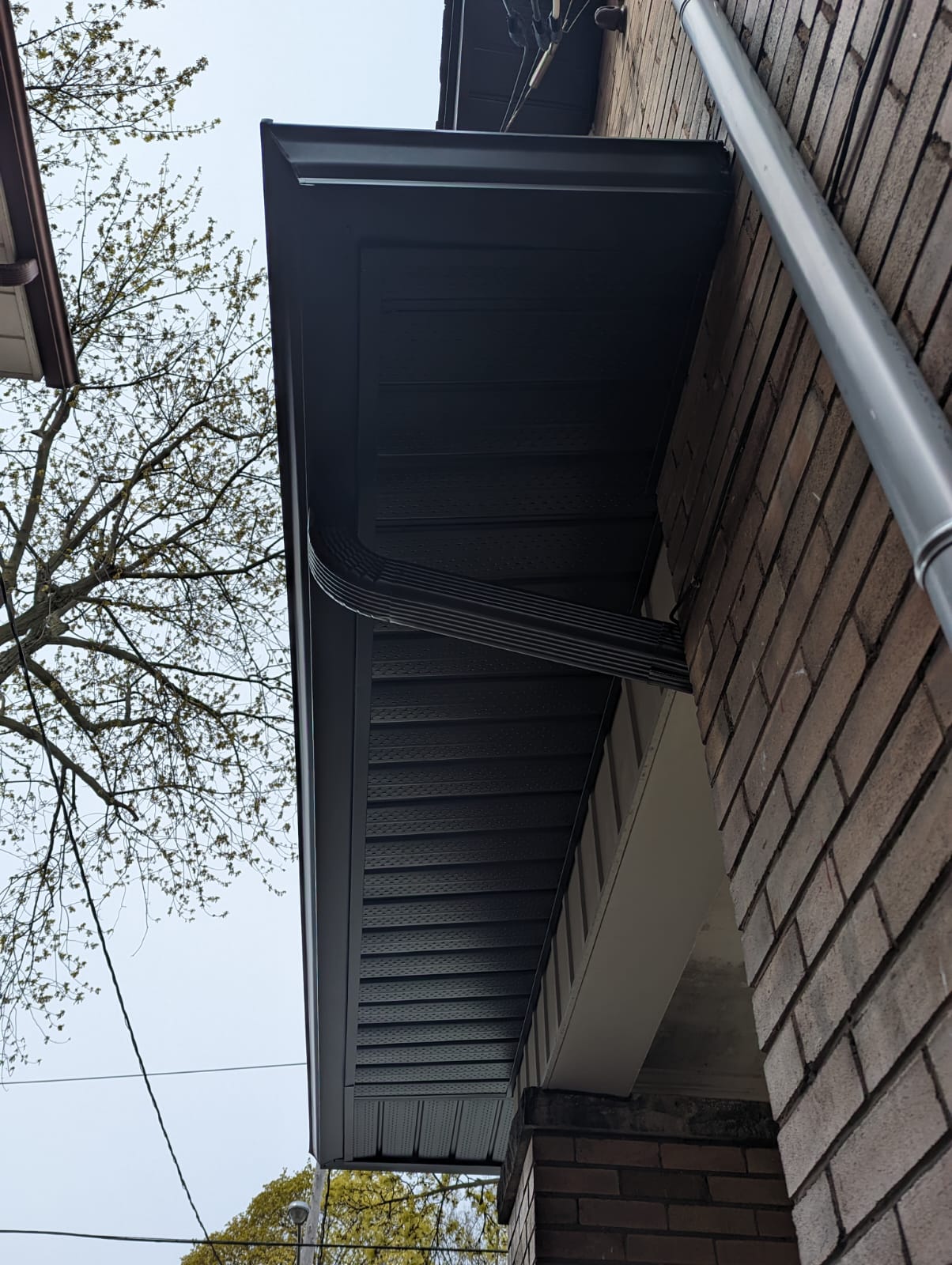
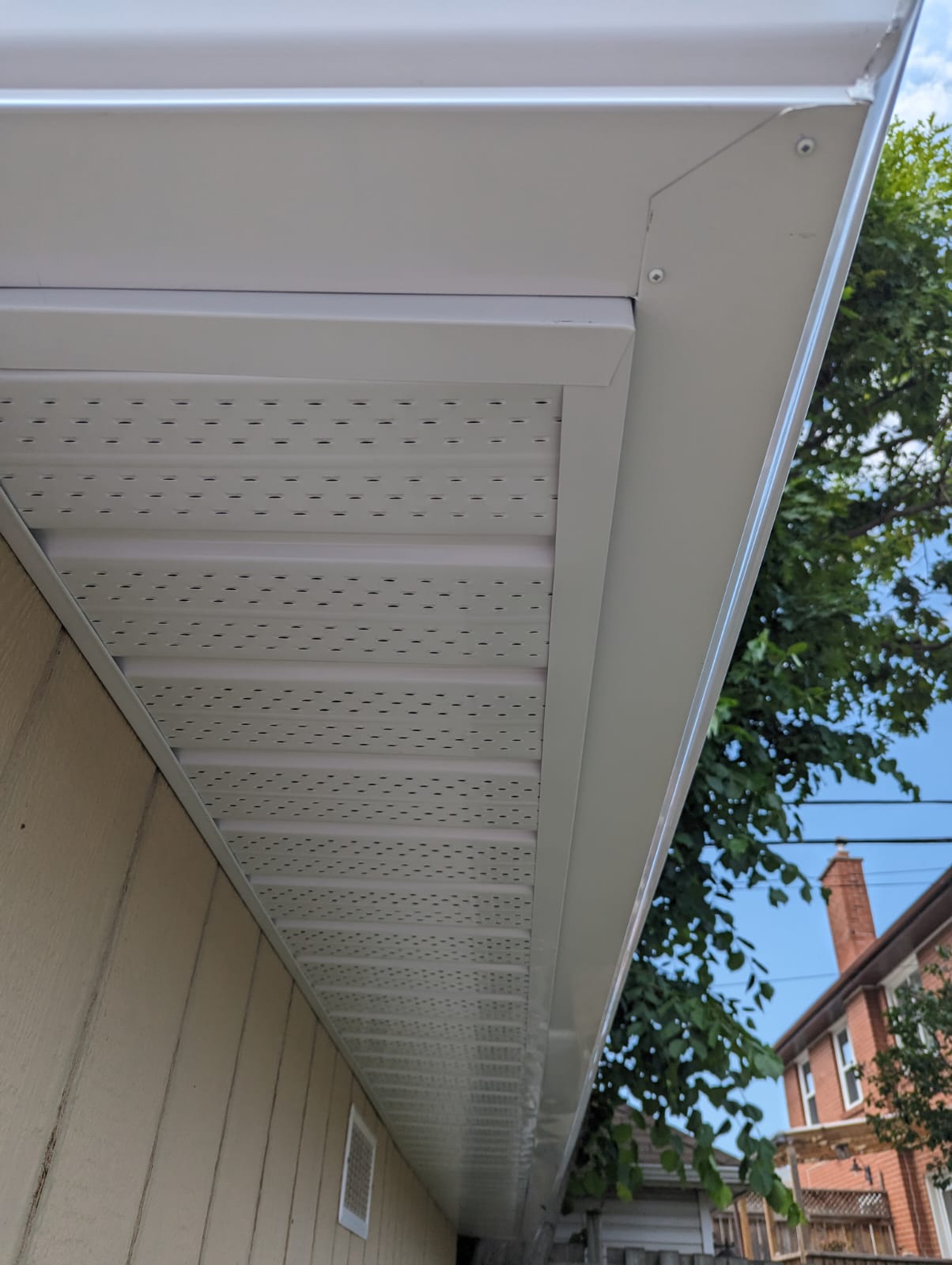
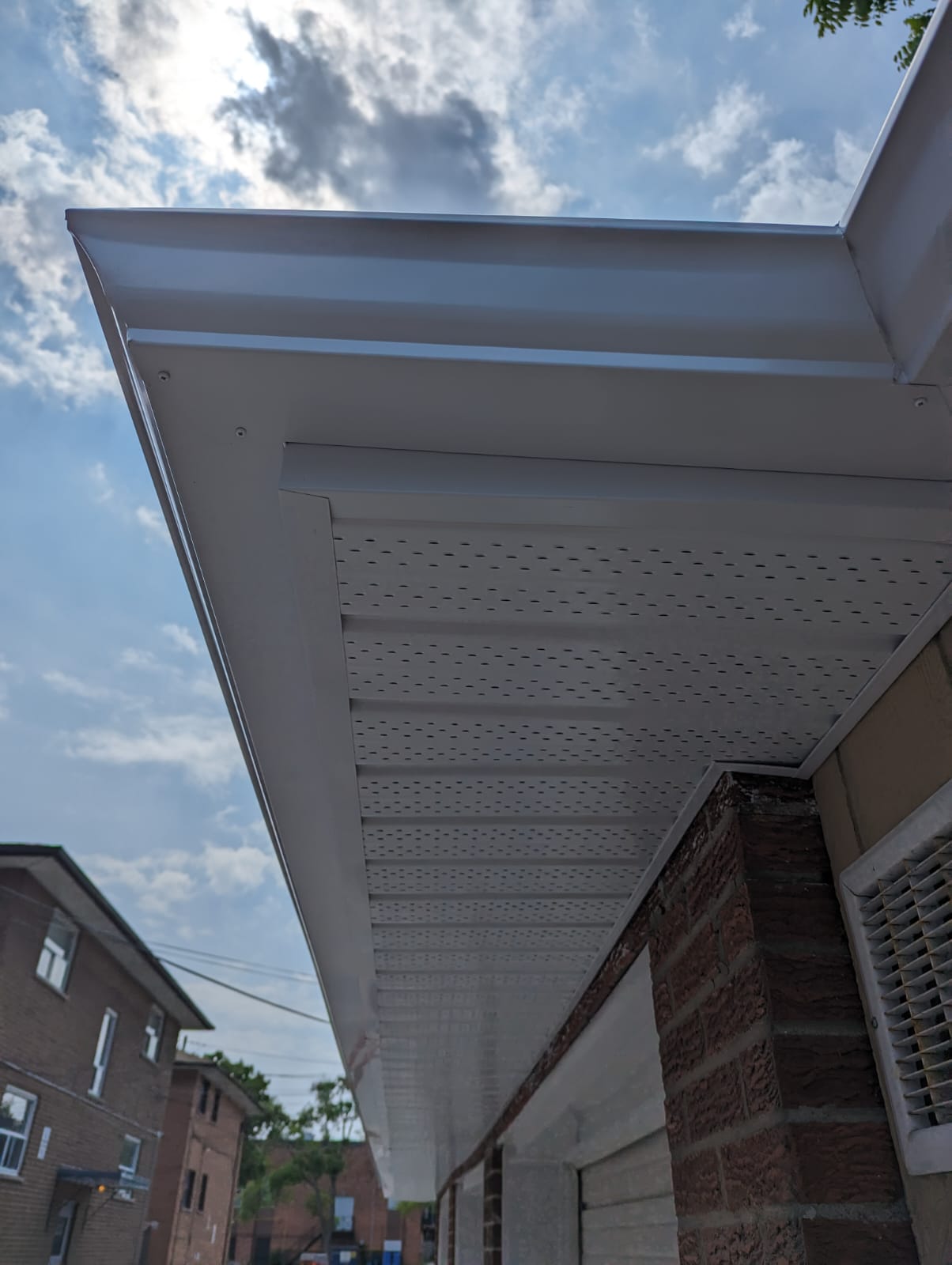
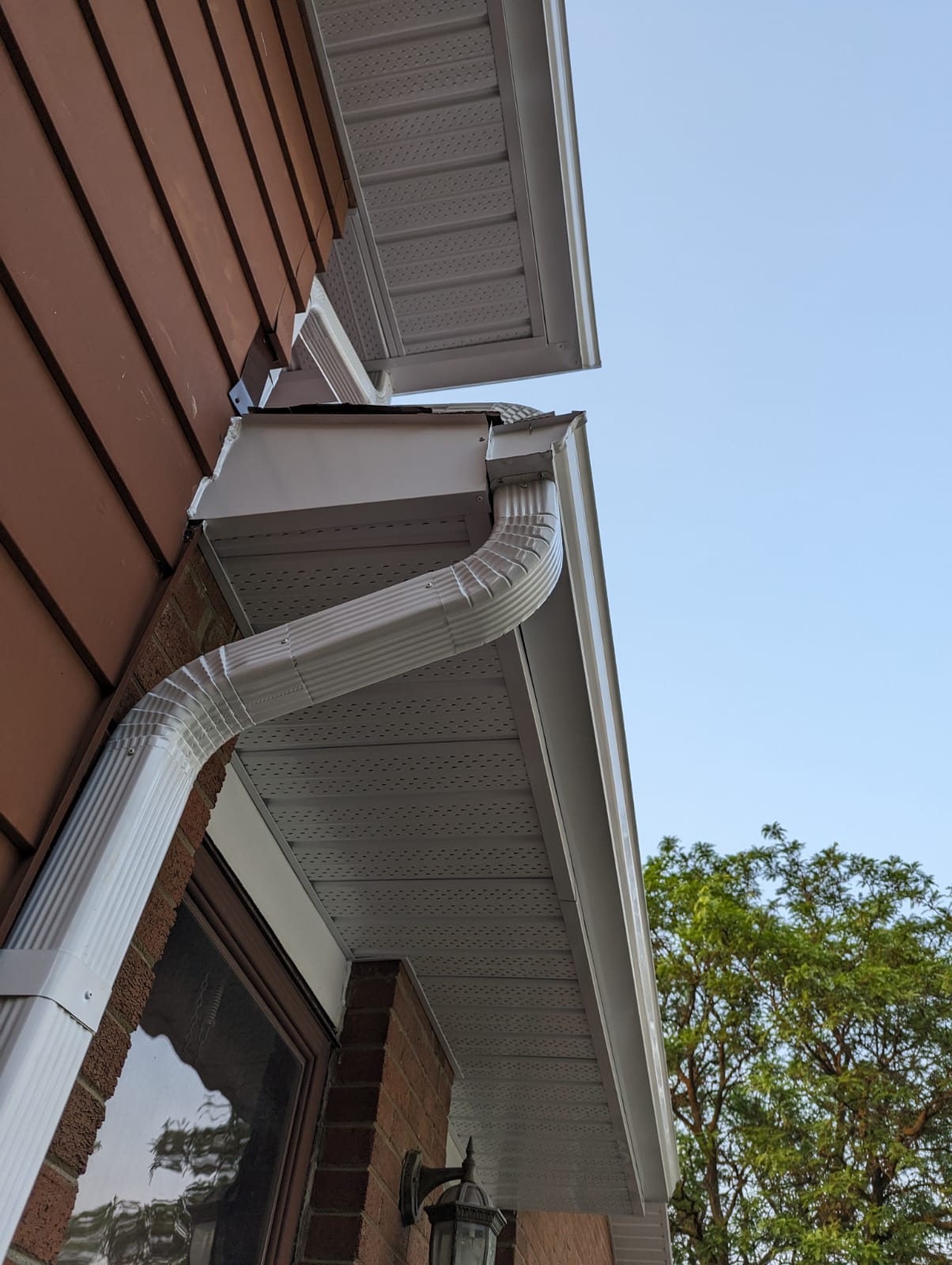
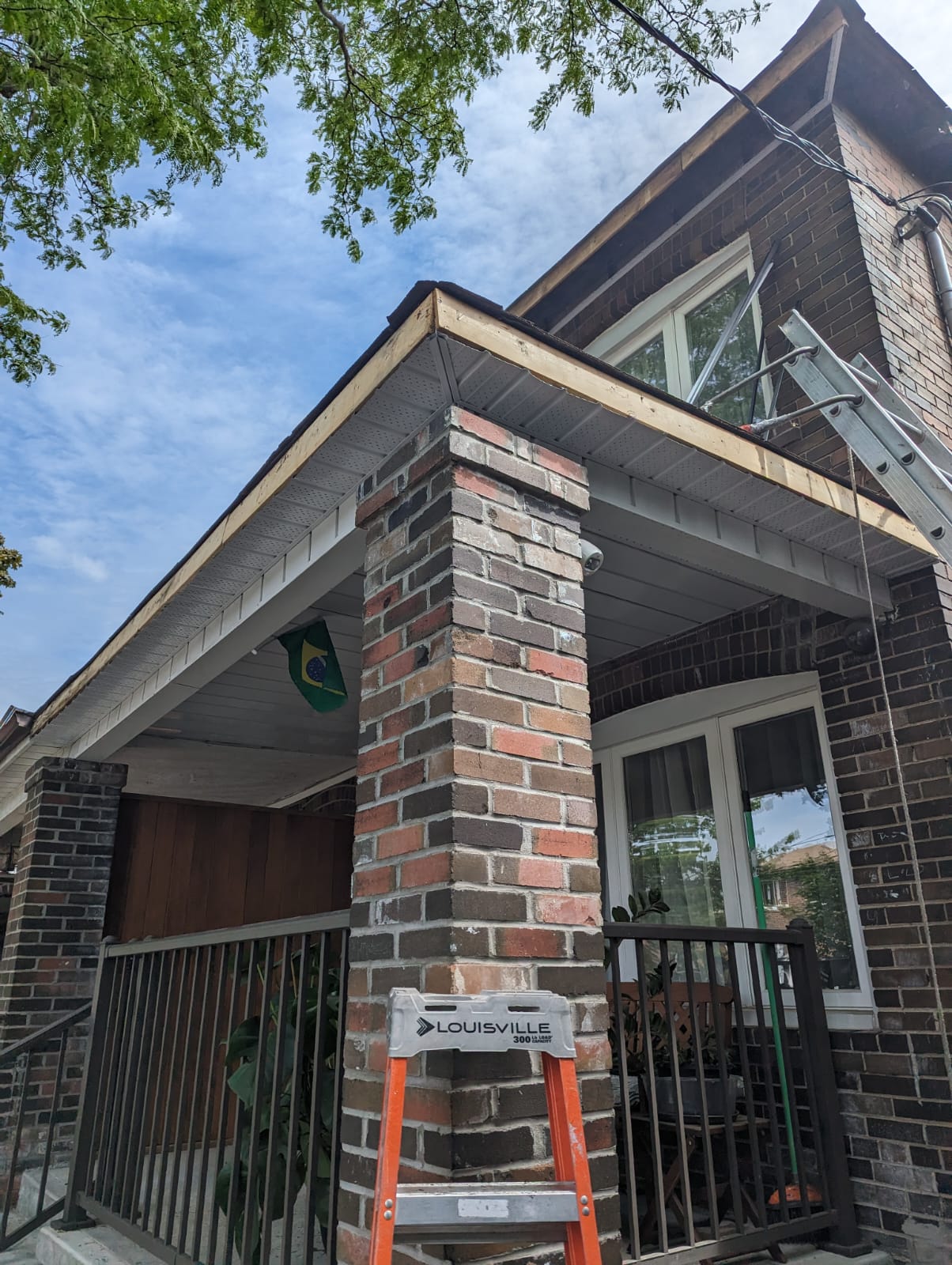
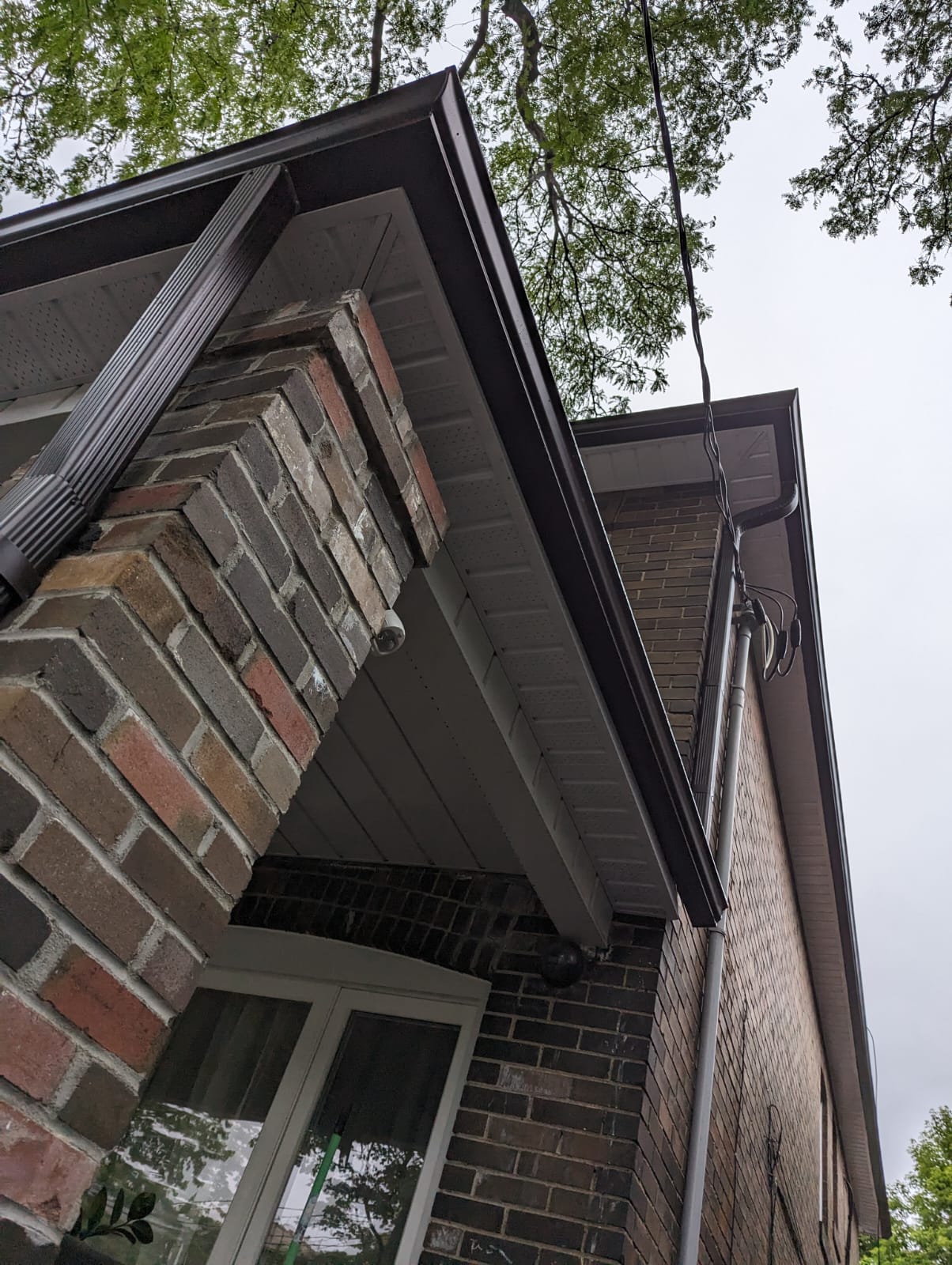
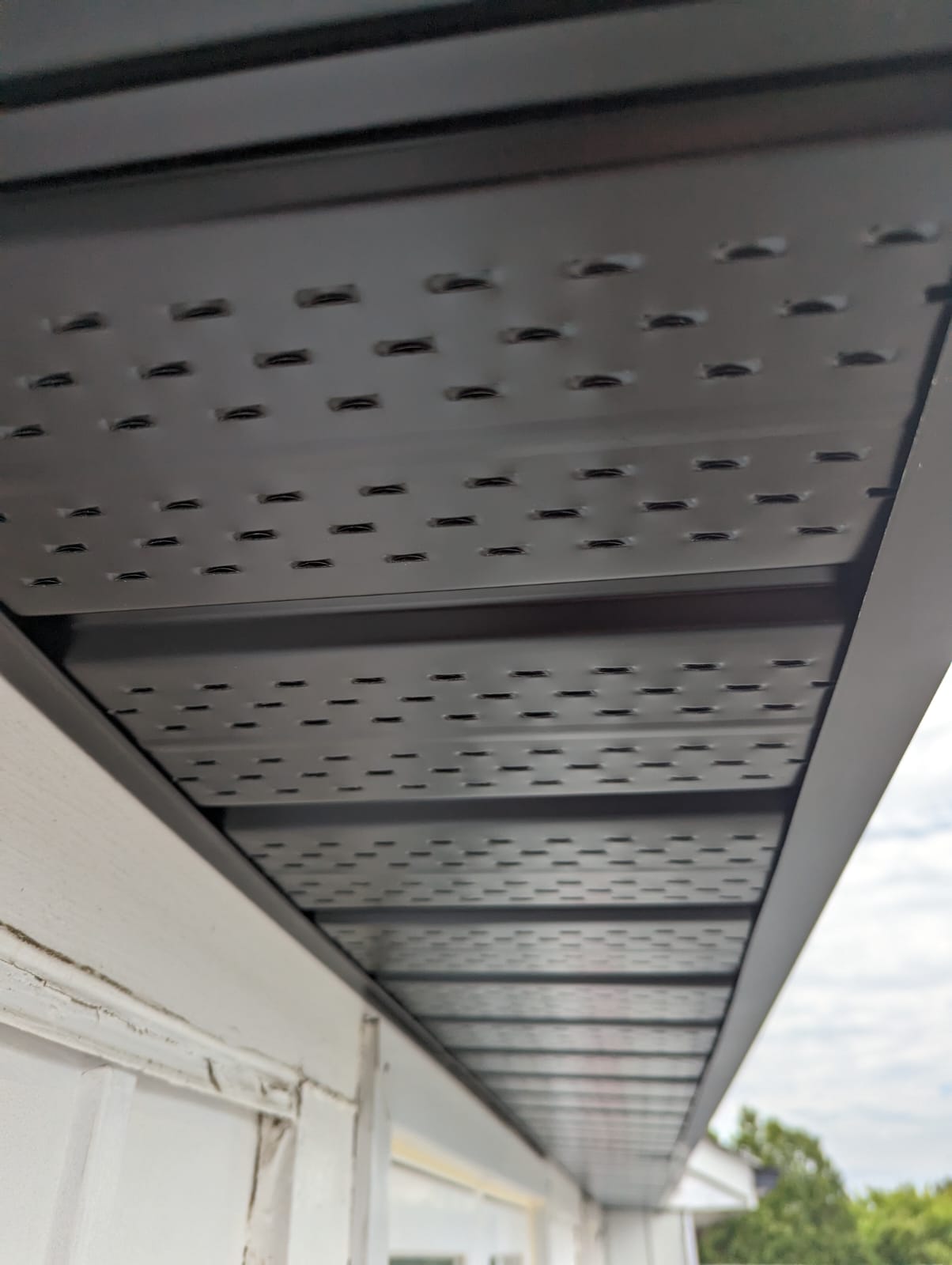
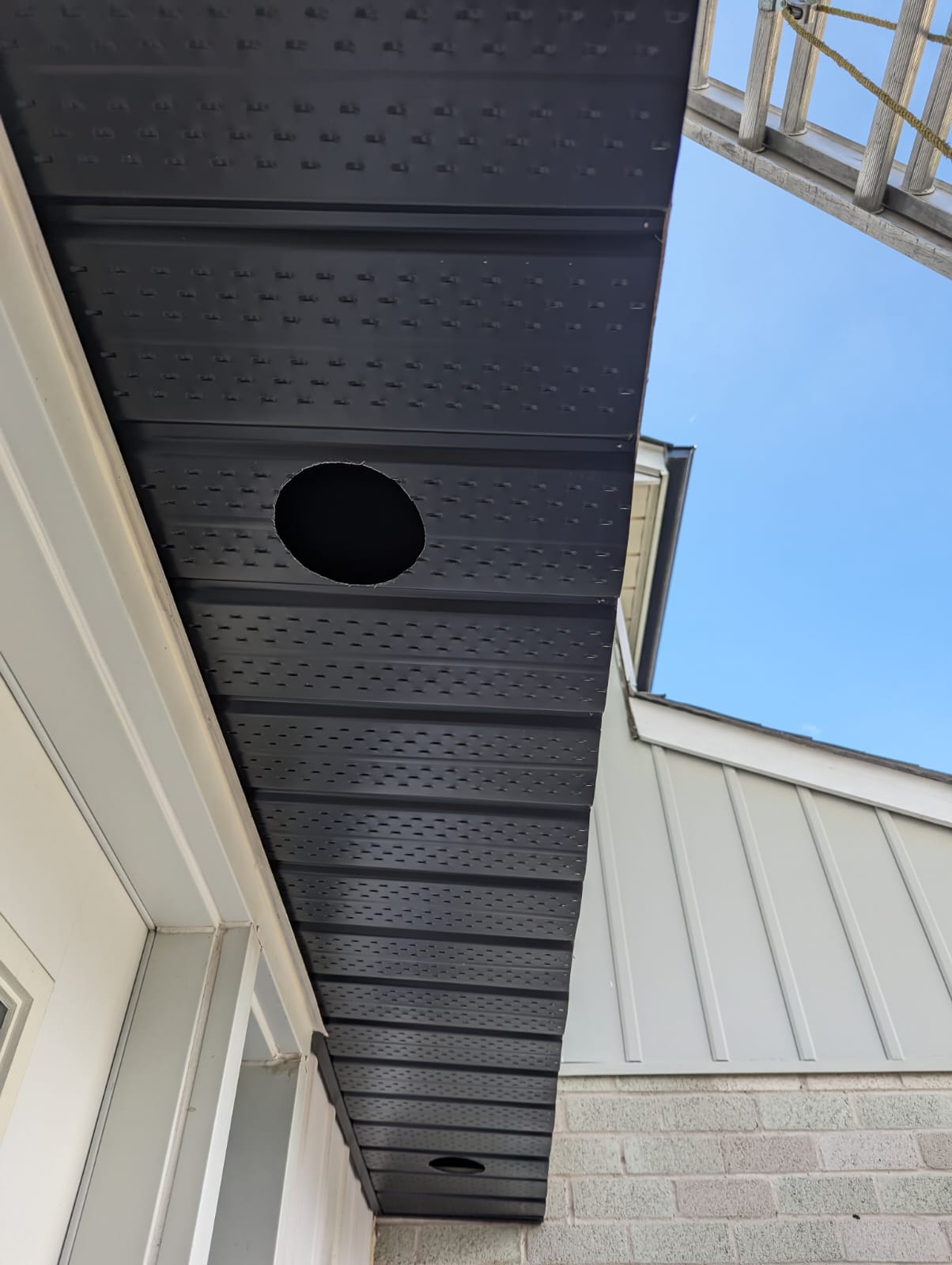
Soffit and fascia are two critical components of a building's roofing system, located at the eaves or the roof's overhang. While they are separate elements, they work together to protect the roof, improve ventilation, and enhance the overall appearance of the building.
-
Soffit:
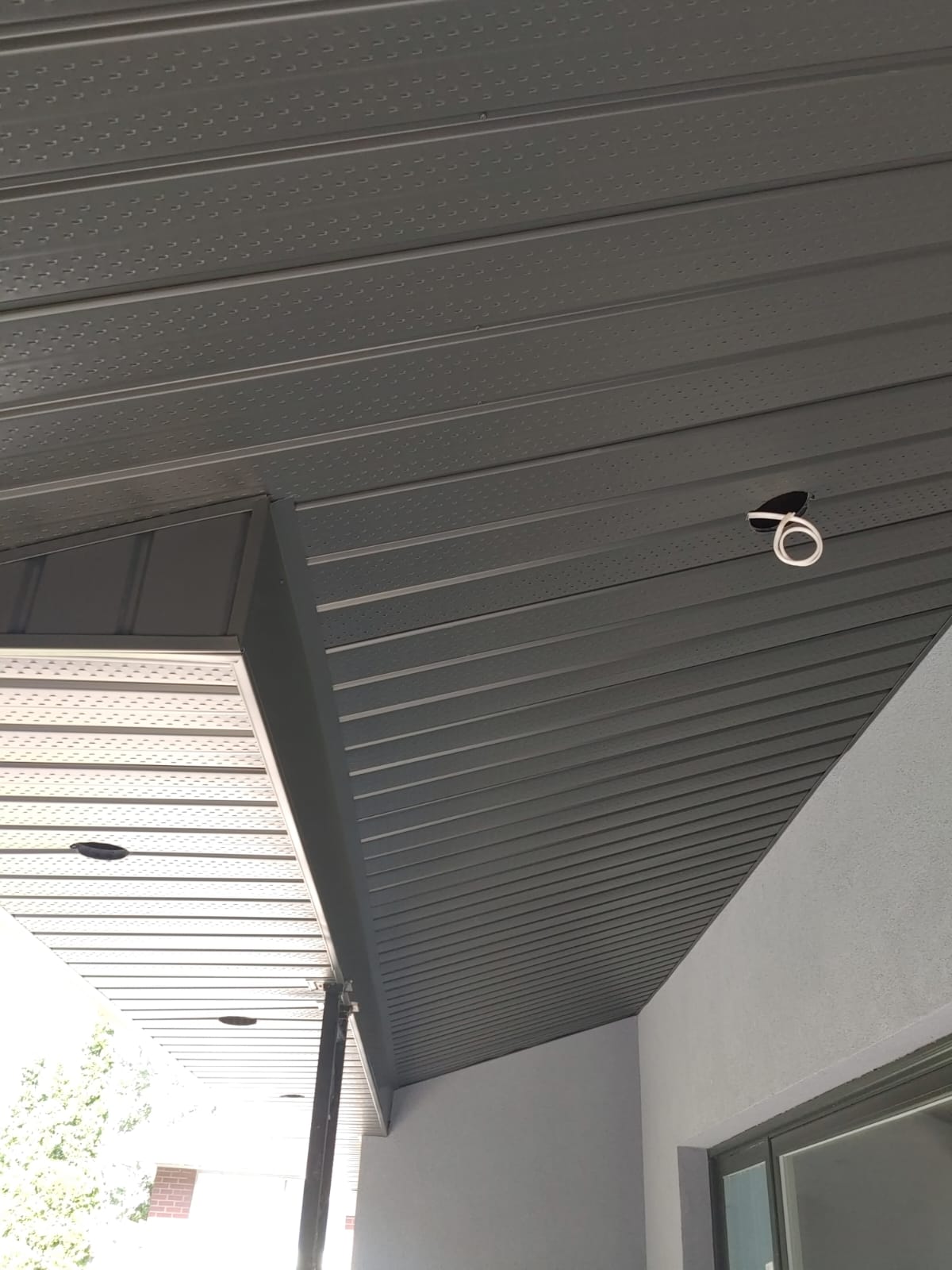
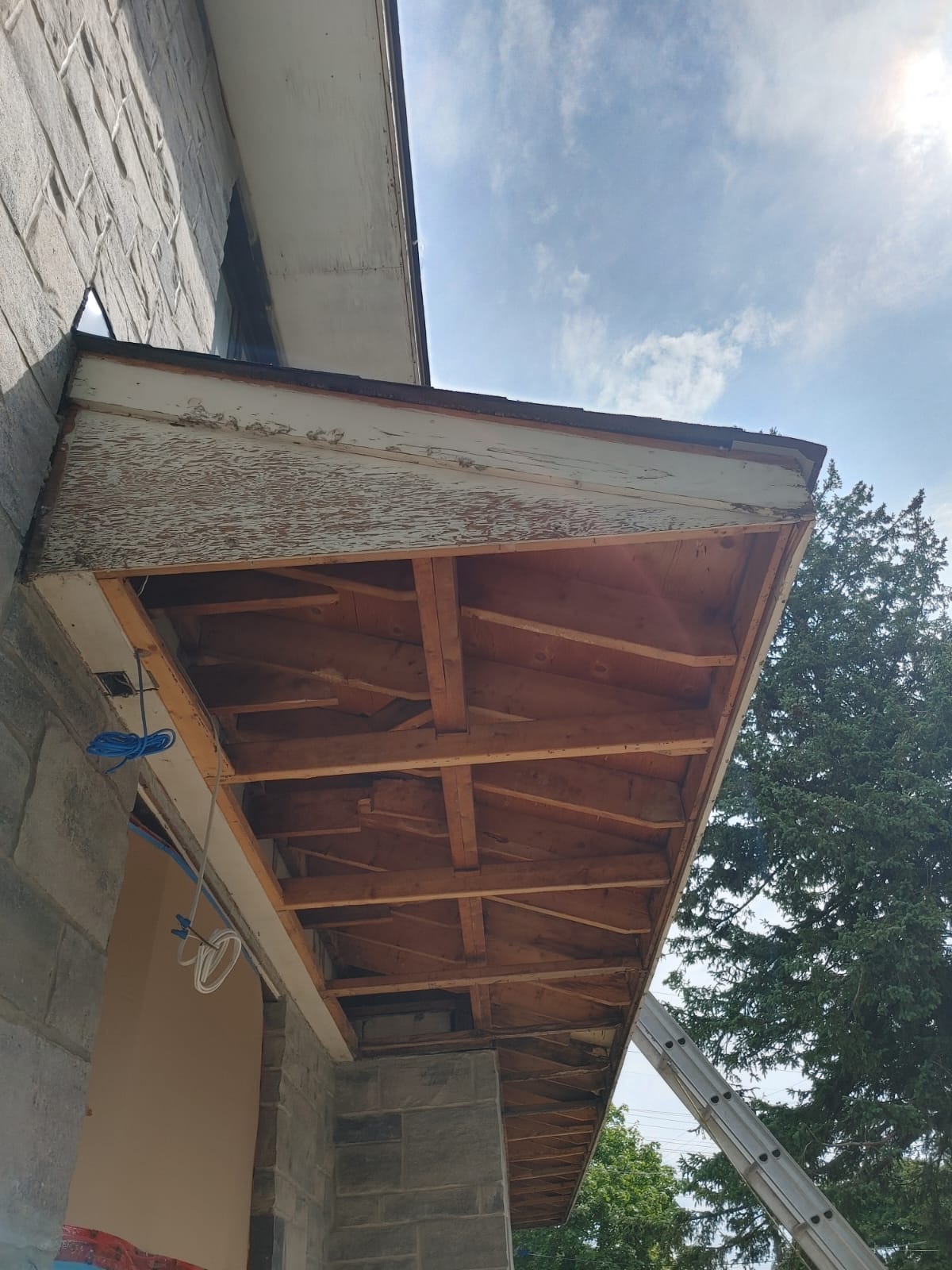
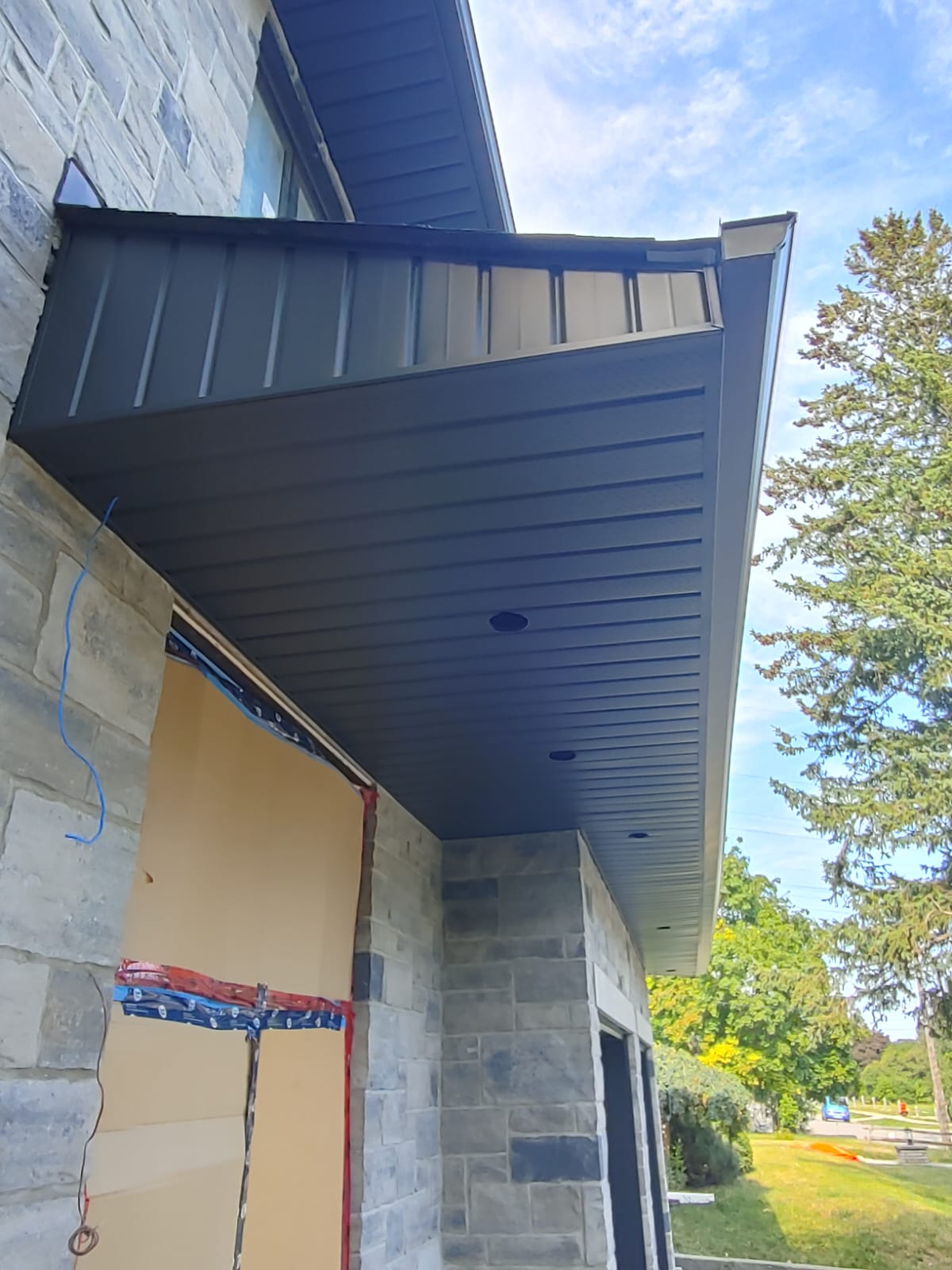
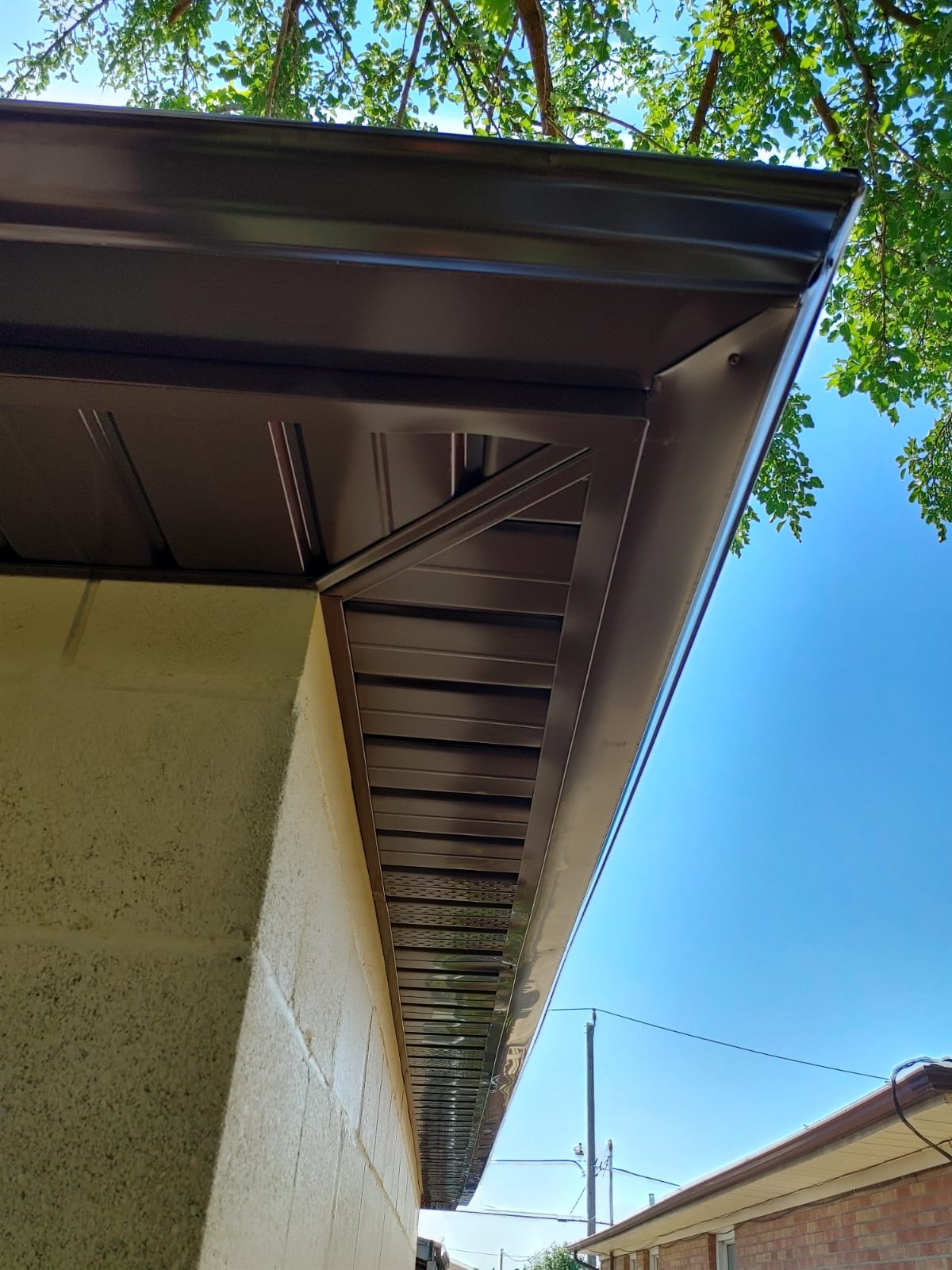
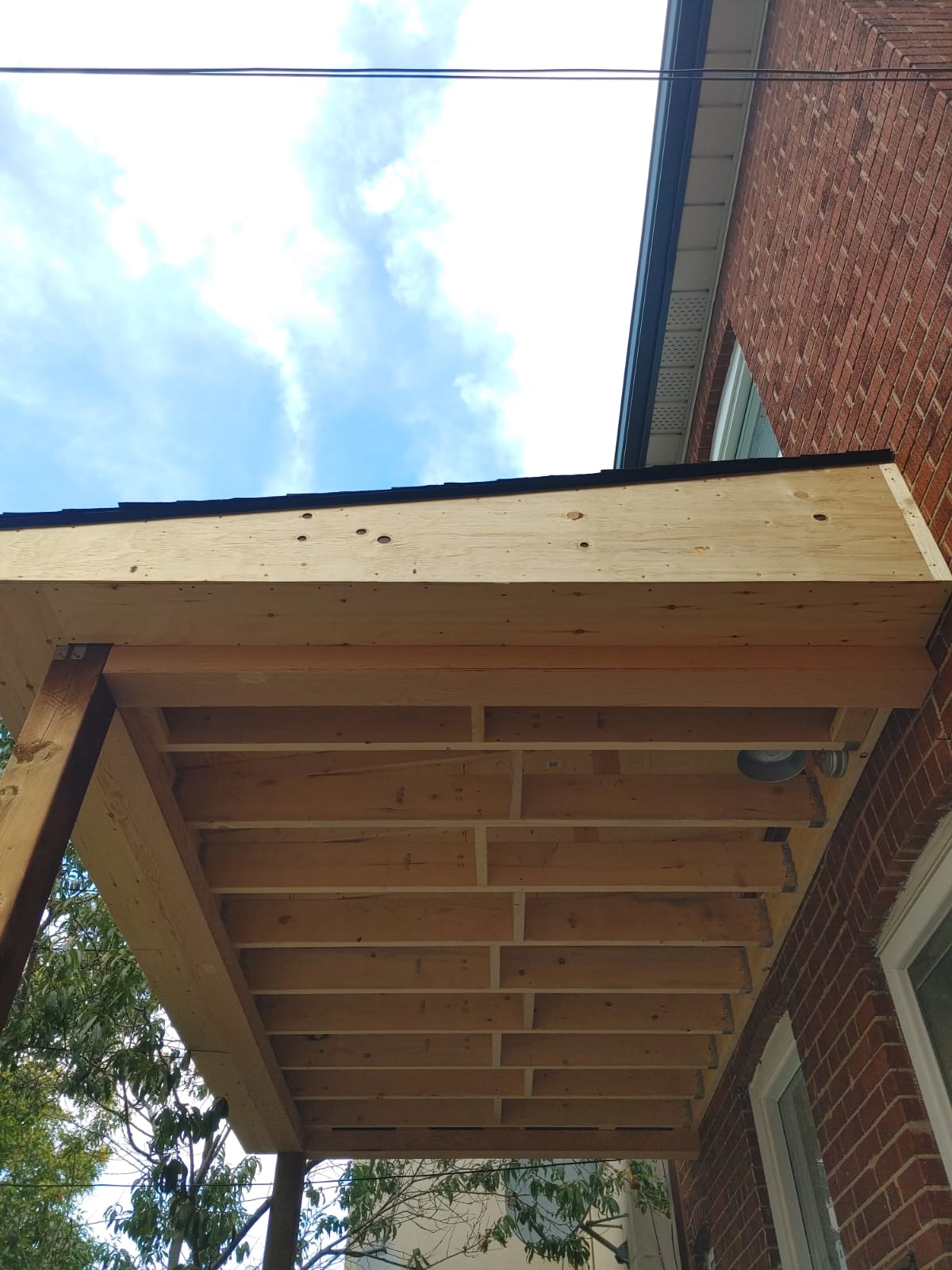
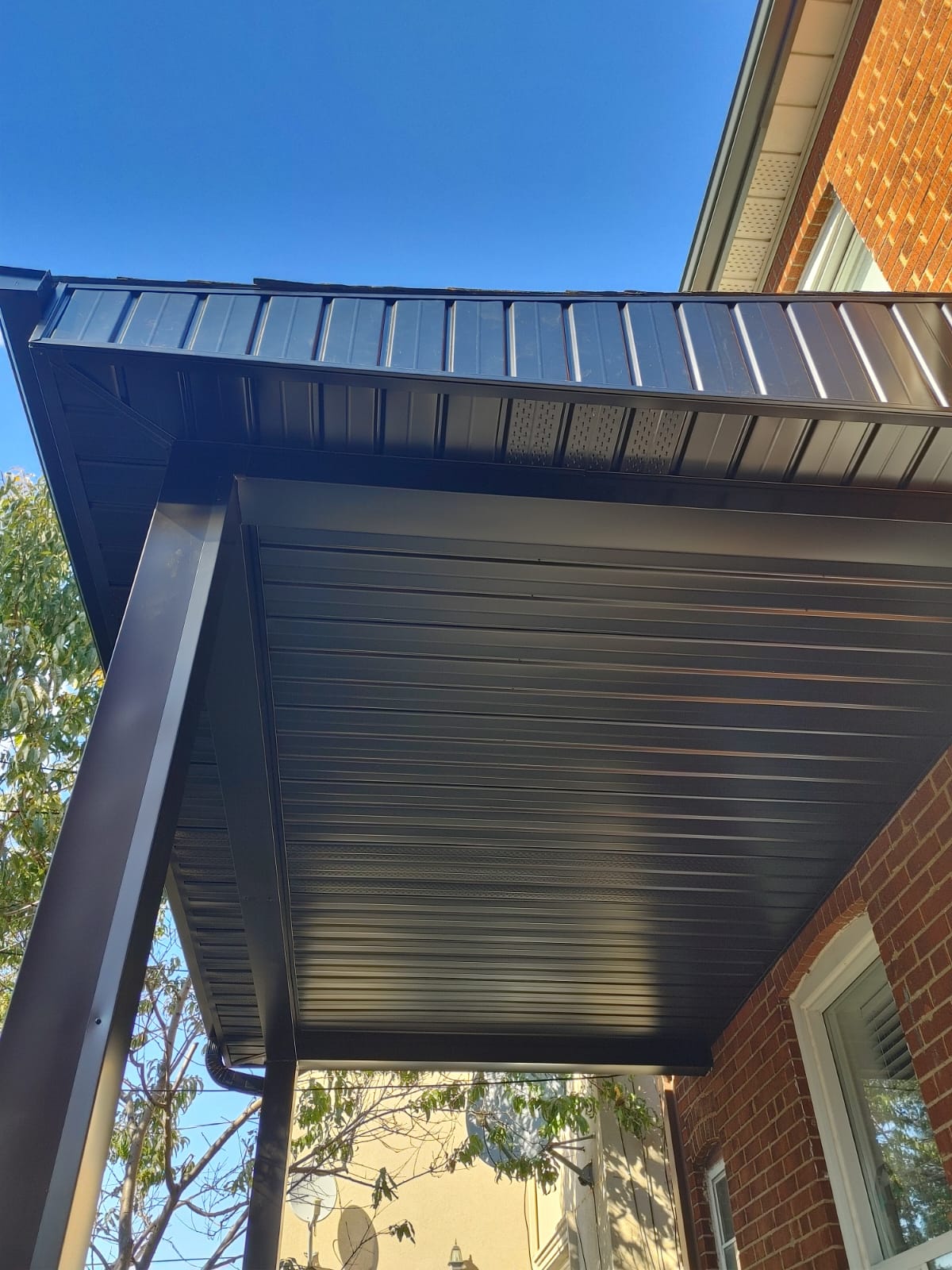
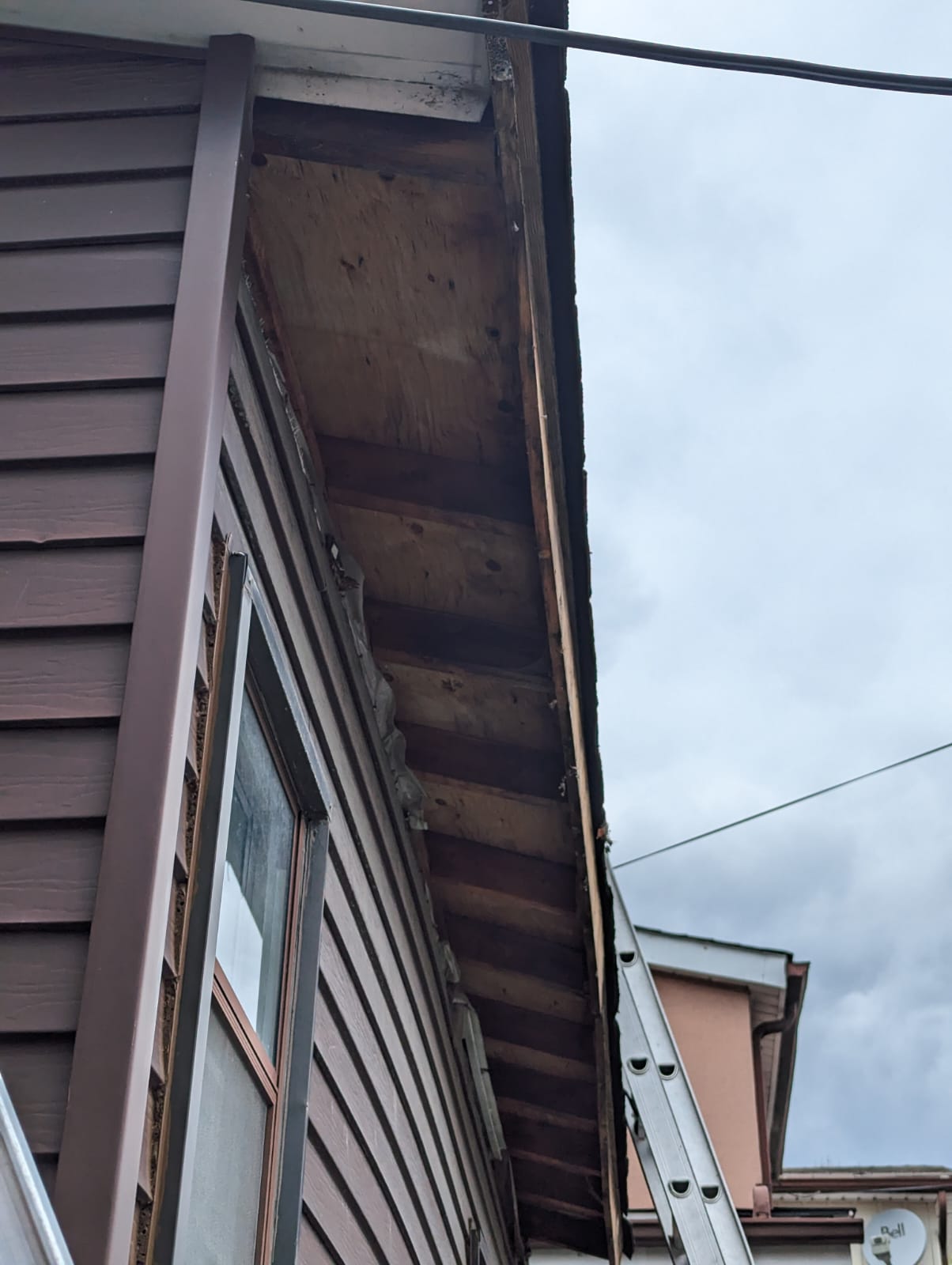
- Soffit refers to the material installed on the underside of the eaves or roof overhang. It bridges the gap between the exterior wall and the edge of the roof, creating a finished look.
- The primary functions of soffit are ventilation and protection. It includes small perforations or vents that allow air to flow into the attic, promoting proper ventilation and reducing the risk of moisture buildup and mold growth.
- Soffits also protect the eaves and the roof structure from exposure to the elements, such as rain, snow, and sunlight.
- Soffits come in various materials, such as vinyl, aluminum, wood, or fiber cement, each with its own advantages in terms of durability, maintenance, and aesthetics.
-
Fascia:
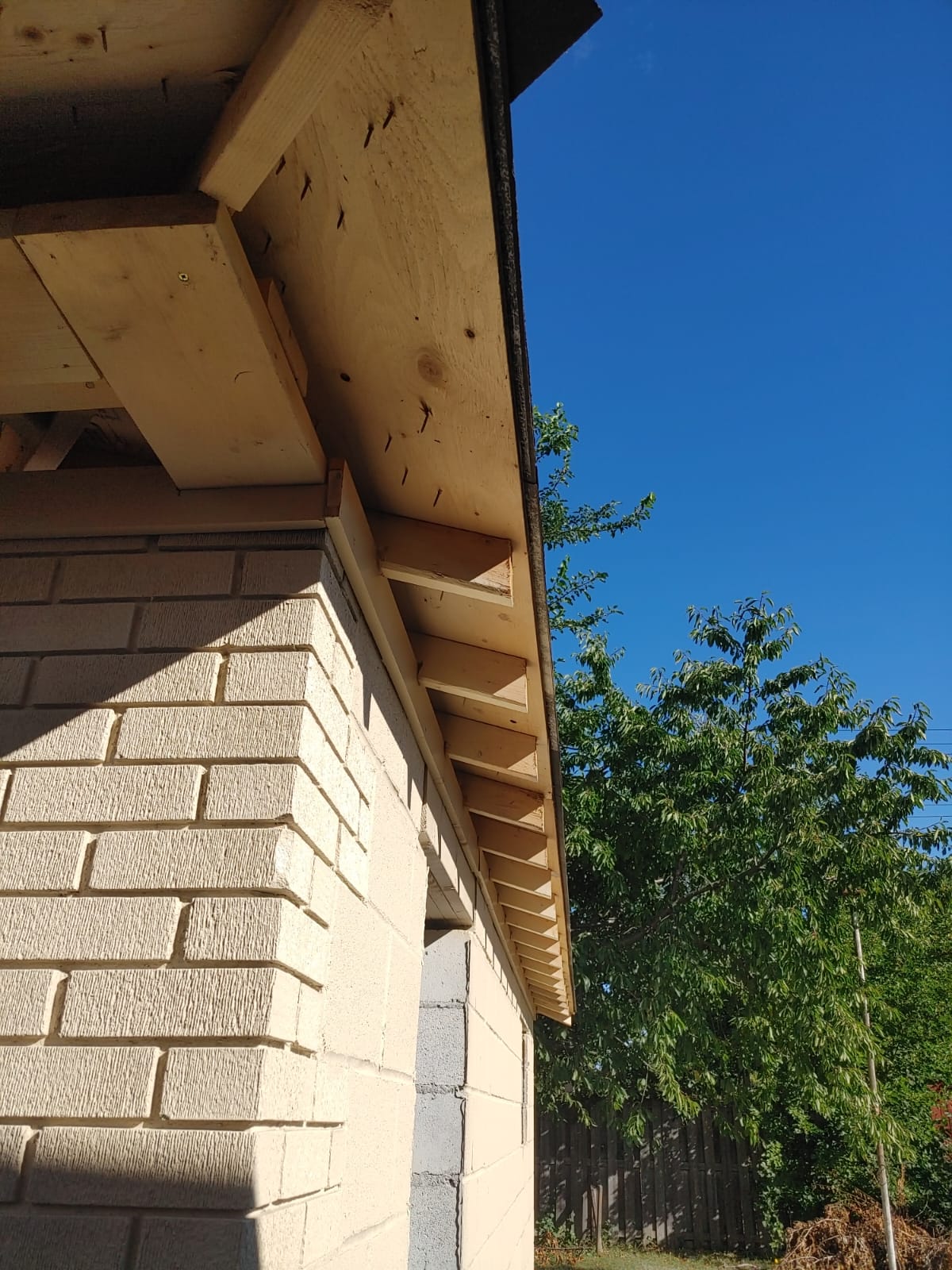
- Fascia is a horizontal band or board that runs along the edge of the roof and is attached to the ends of the rafters or trusses. It is visible from the outside of the building and acts as a finishing trim.
- The primary purpose of fascia is to protect the roof's edges and the interior of the building from water damage. It also serves as a point of attachment for the gutters.
- Fascia helps to create a smooth, even appearance on the exterior of the building by covering the exposed ends of the roof rafters.
- Similar to soffits, fascia is available in various materials, including wood, aluminum, vinyl, and composite materials.
Together, soffit and fascia contribute to the overall health and functionality of the roofing system:
- Soffits provide attic ventilation, preventing moisture buildup and protecting the roof structure from damage caused by excess heat and humidity.
- Fascia protects the roof's edges and rafters from weather exposure, helping to maintain the structural integrity of the roof.
- Both components add to the aesthetics of the building, creating a clean and finished look at the eaves and roof overhangs.
It's important to have well-designed and properly installed soffits and fascia to ensure effective roof ventilation, protect the roof and building from water damage, and enhance the overall appearance of the property. Regular maintenance and inspections can help identify and address any issues with these elements, prolonging the life of the roofing system and the building itself.